20 Jul 2026
Squad Depth Adjustments After Summer Transfers: Refining Accumulator Selections Across Europe's Major Leagues
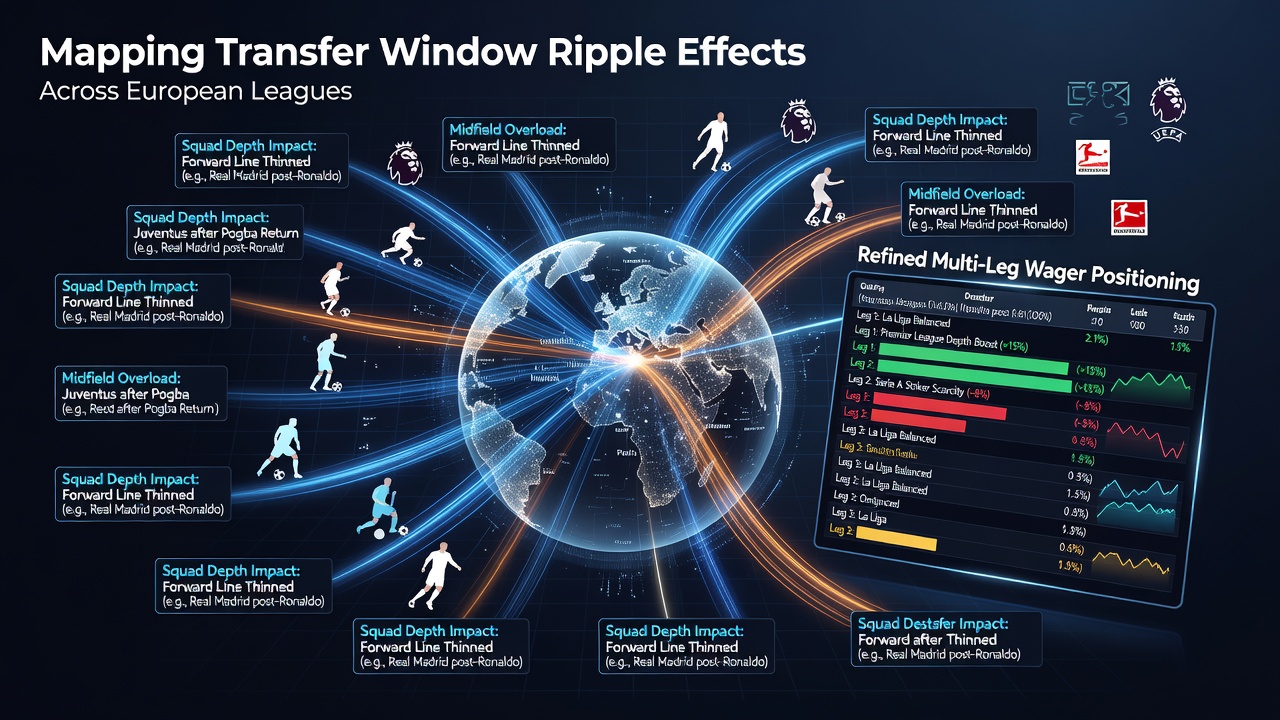
Transfer windows reshape squad compositions each summer and winter, and observers track these movements closely because they alter rotation options, injury cover, and overall team resilience in fixture-heavy periods. Data from European competitions shows that clubs with strengthened benches maintain performance levels across multiple matches, while those facing departures often experience dips in consistency that affect outcomes in league and cup ties alike.
Transfer Activity Patterns in Key Leagues
European leagues operate under distinct financial and regulatory frameworks that influence how squads evolve during the summer window, which typically runs through July and August each year. In the 2026 window, which opened in early July, Premier League clubs recorded net spend exceeding previous cycles according to industry tracking services, while Bundesliga and Serie A sides focused more on targeted reinforcements for defensive units and midfield depth. These patterns create measurable differences in how teams handle congested schedules that include domestic leagues plus European commitments.
Researchers note that outgoing transfers often leave gaps in specific positions, particularly when clubs sell established squad players without immediate replacements. One analysis of the previous three seasons found that teams losing more than three regular starters in a single window showed a 12 percent drop in points per game during the first ten matchdays of the following campaign. Incoming players require time to integrate, which means early-season form can vary until tactical familiarity develops.
Measuring Depth and Its Influence on Results
Squad depth refers to the number of players capable of performing at a comparable level across positions, and transfer windows directly modify this metric through both additions and subtractions. Statisticians compile depth indices using minutes played data, substitute appearances, and performance ratings to quantify changes after each window closes. Teams that increase their depth index by 15 percent or more tend to sustain higher win rates in away fixtures and midweek European matches where rotation becomes essential.
Evidence from La Liga and Ligue 1 indicates that clubs with limited depth face steeper challenges during periods of fixture congestion, leading to more variable results. Multi-leg wagers, which combine selections from several matches, benefit when bettors identify sides whose depth allows them to rotate effectively without significant drops in output. Conversely, accumulators built around teams undergoing major squad upheaval carry elevated variance until new signings establish themselves.
Positioning Multi-Leg Wagers Based on Depth Changes
Mapping these ripple effects involves cross-referencing transfer data with historical performance trends and upcoming fixture lists. Bettors examine which clubs added versatile players who can cover multiple roles, thereby expanding tactical options during long runs of games. For example, a side acquiring two central defenders and a box-to-box midfielder gains options to rest key starters without compromising defensive structure or attacking transitions.
Studies published by academic sports analytics groups show that depth-related advantages become most pronounced after the first month of the season, once integration periods conclude. This timing matters for accumulator construction because early windows often produce unpredictable results while squads settle. Observers therefore adjust selections toward teams whose post-window depth metrics exceed league averages, particularly when those sides face opponents with thinner benches.
European competitions feature varying levels of financial disparity, and this affects how transfer effects distribute across leagues. Bundesliga clubs, operating under ownership structures that emphasize squad continuity, frequently demonstrate steadier depth retention compared with leagues where high-profile sales occur more regularly. Tracking these league-specific tendencies helps refine the weighting of individual legs within multi-match wagers.
Seasonal Timing and July 2026 Context
The July 2026 transfer window coincided with pre-season preparations across Europe, allowing clubs to integrate new signings before competitive matches began. Reports from football governing bodies indicate that early activity focused on defensive reinforcements and attacking options for clubs involved in multiple competitions. This timing influences accumulator strategies because depth improvements realised before the opening matchday provide immediate rotation benefits during August and September schedules.
Those monitoring squad lists note that clubs completing transfers early in the window often record higher points totals in the opening fixtures compared with sides that delay activity until later deadlines. Such patterns emerge consistently in historical datasets and offer a factual basis for adjusting wager positioning according to completed versus pending transfer business.
Conclusion
Transfer windows create measurable shifts in squad depth that propagate through match results and affect the reliability of selections in multi-leg wagers. By examining data on incoming and outgoing players, depth indices, and fixture demands across European leagues, patterns emerge that support more precise positioning of accumulator bets. Continued tracking of these variables provides ongoing information for adjusting strategies as windows open and close each season.